


 English
 Türkçe
 русский
 العربية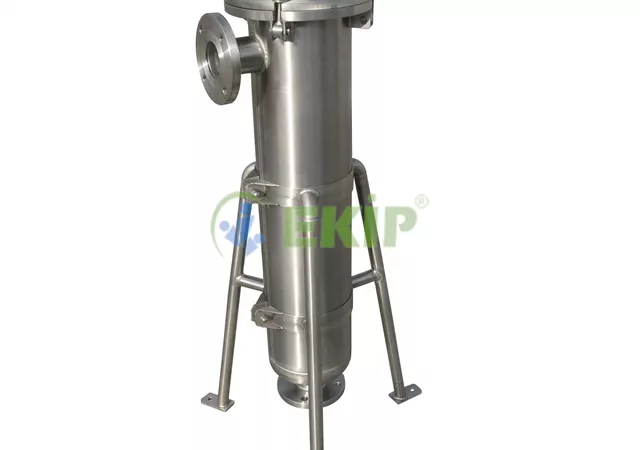
Design and manufacturing in compliance with international standards
High quality and long-lasting warranty
Filtration capacity from 1 to 1250 microns
AISI 304, 304L, 316, 316L, 316Ti certified stainless steel material
Practical use, easy maintenance, and bag replacement and cleaning capability
Filtration capability at high flow rates thanks to collector units
No liquid loss during cleaning
Polypropylene or polyester bags resistant to various chemicals
Ability to use bags in different sizes
EKİP filter bodies are manufactured from AISI 304 or AISI 316 stainless steel material starting from a capacity of 1m³/h to any desired capacity. The liquid flow is from the inside to the outside of the bag filter. The filter support basket and filter bag fit into their slots in the lid part and seal tightly when the lid is closed. The trapped dirt remains inside the bag. There is no need to clean the filter body. Bag filters are very practical in terms of use. They are an effective method for removing sediment, particles, and other possible residue types present in the fluid to be filtered. By placing bag filters, available from 1 micron to 1250 microns, inside the stainless steel filter basket within the main body, filtration from inside to outside is achieved, so that all particles accumulate inside the bag and the system revitalizes itself by cleaning the bag later on.
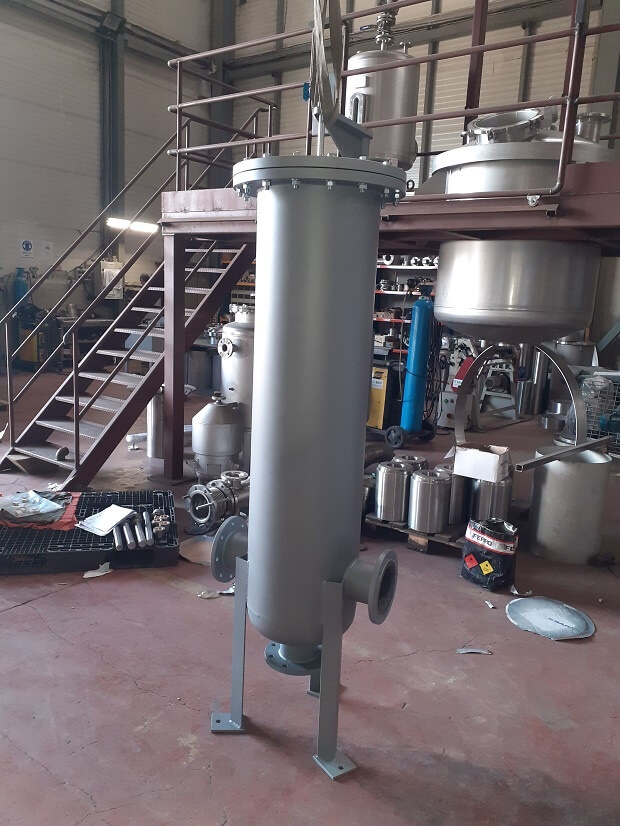
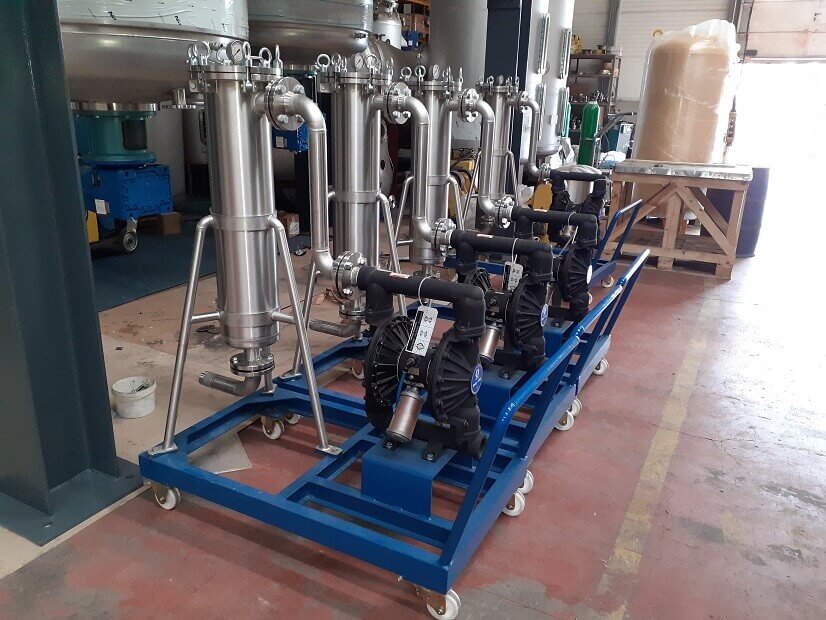
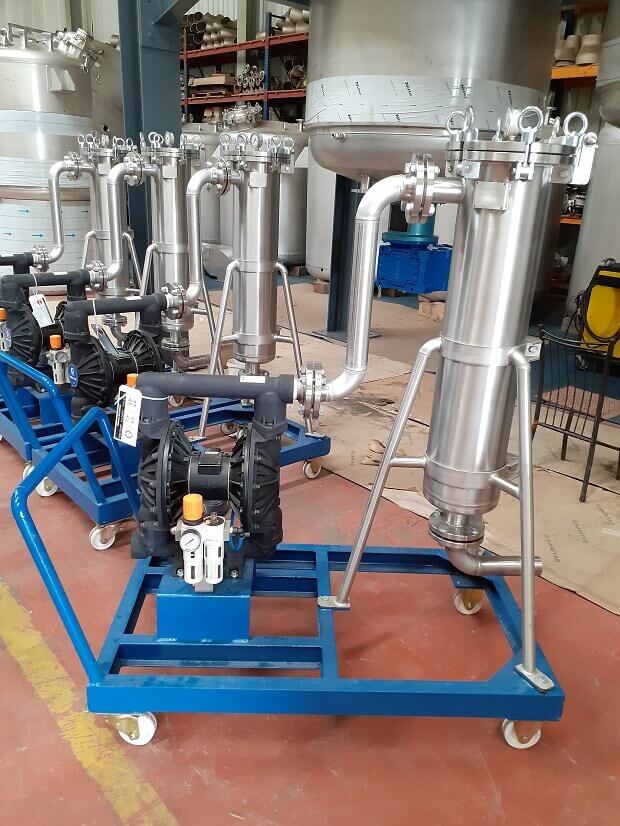
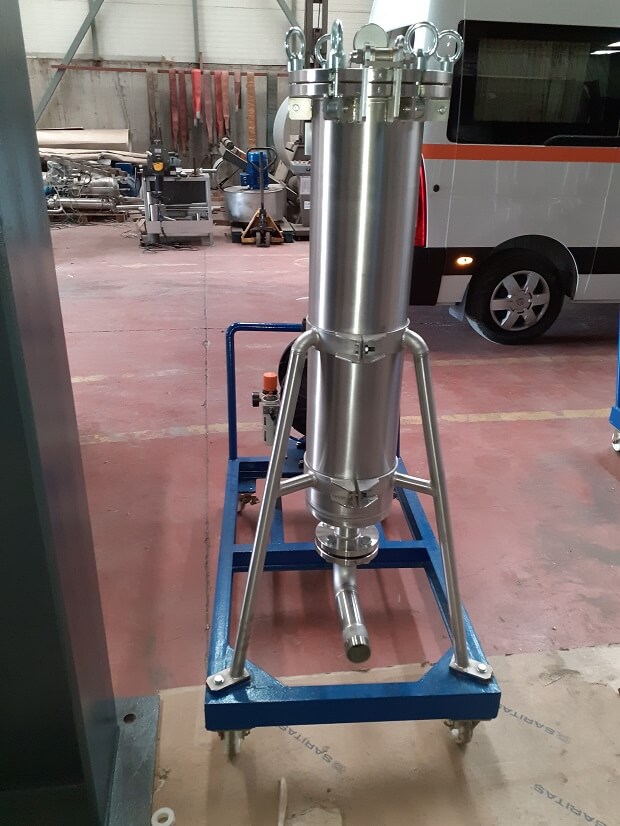
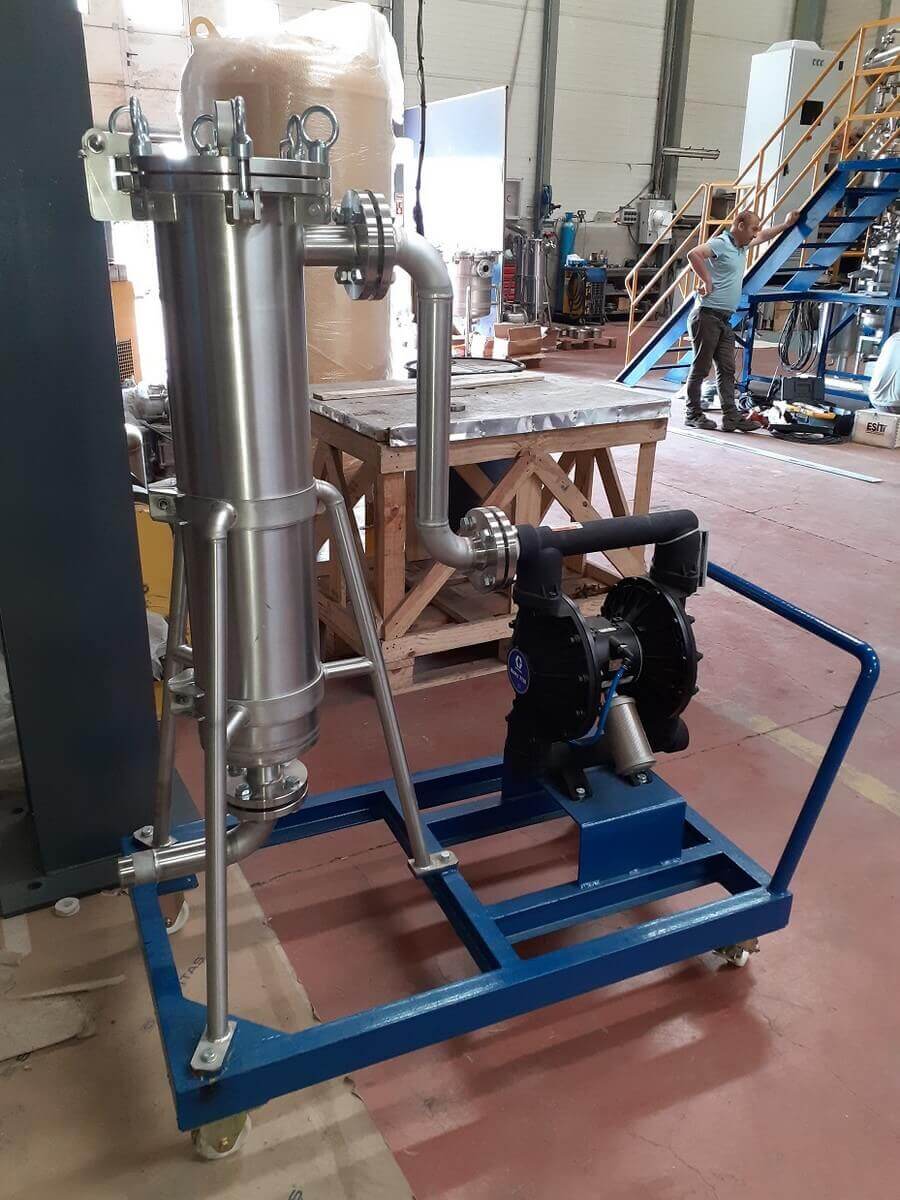
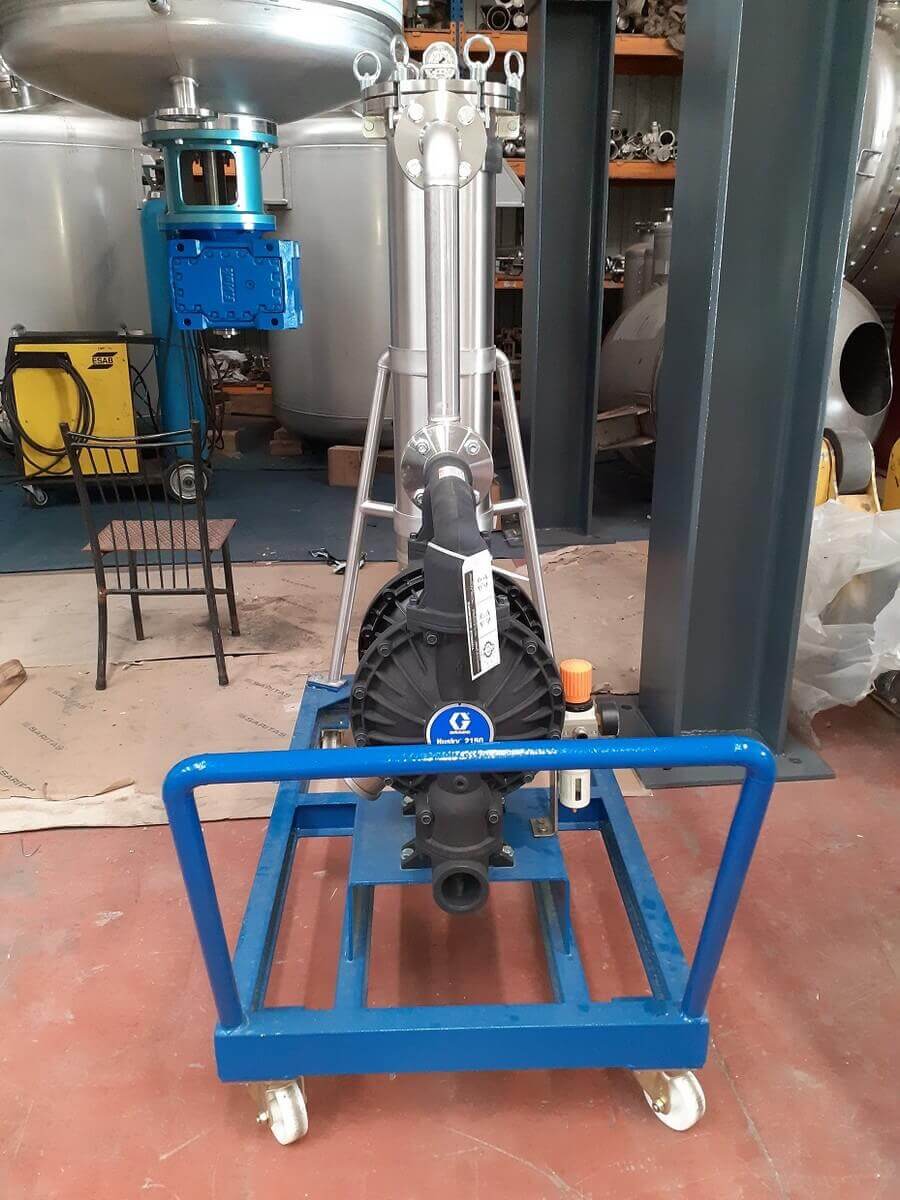
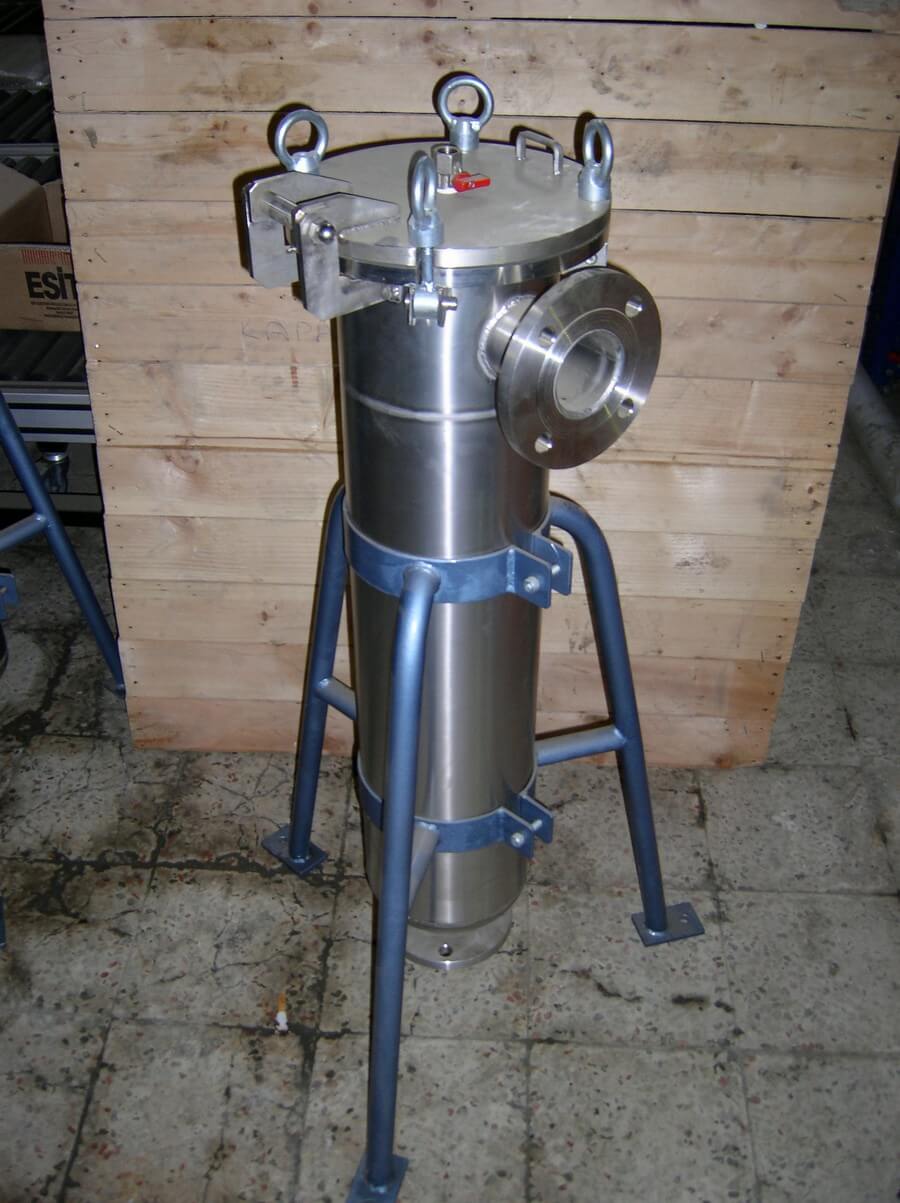
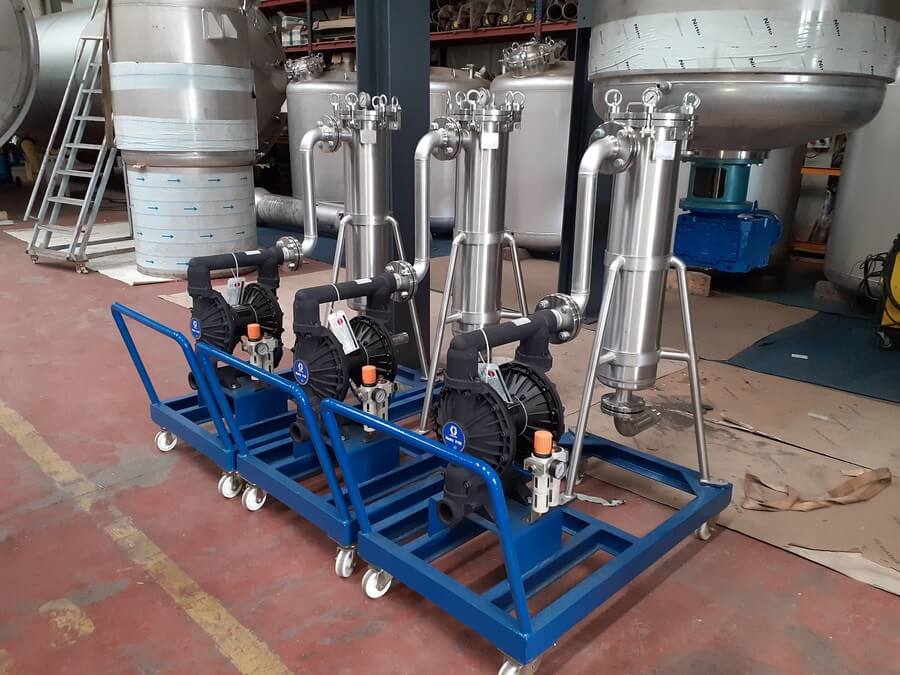
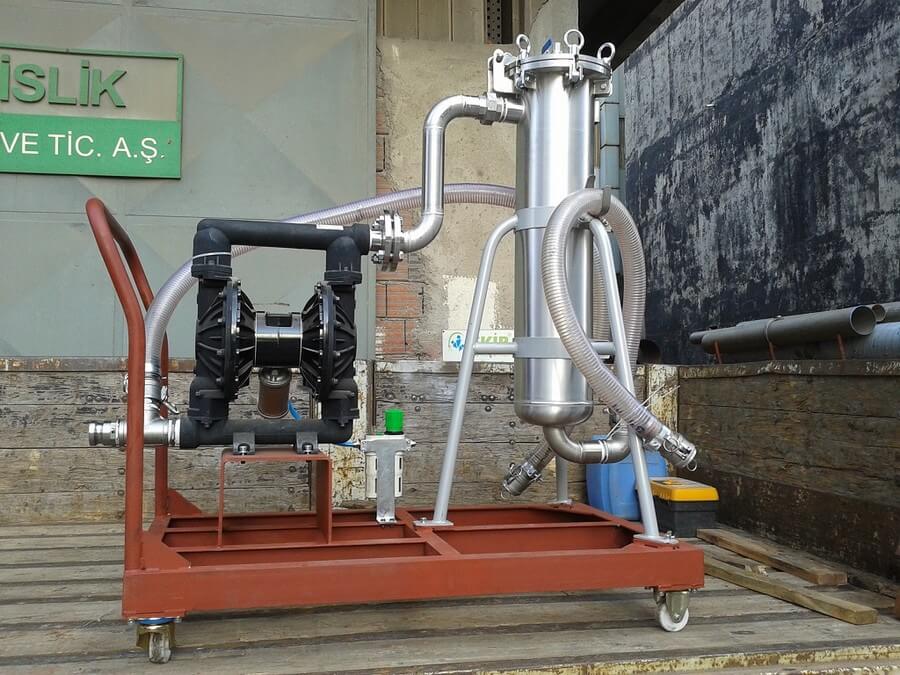
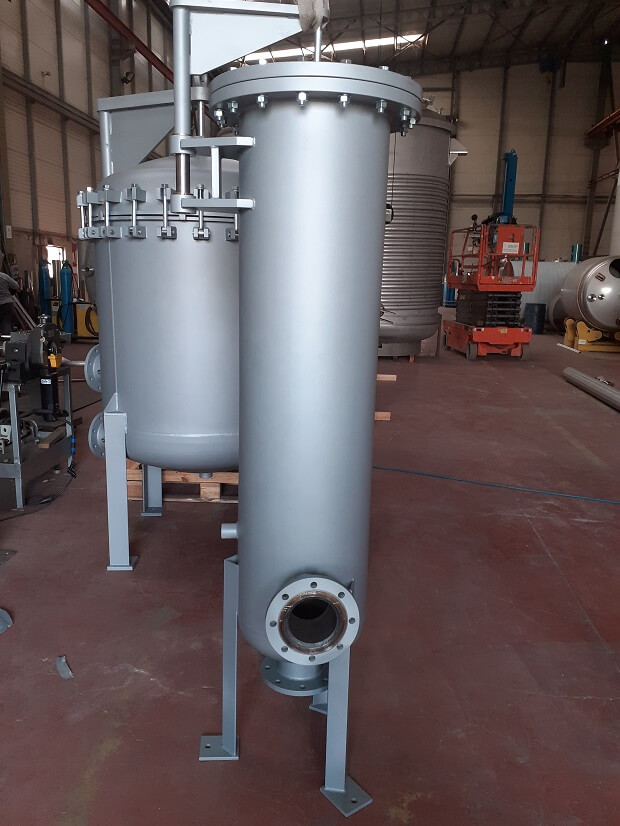
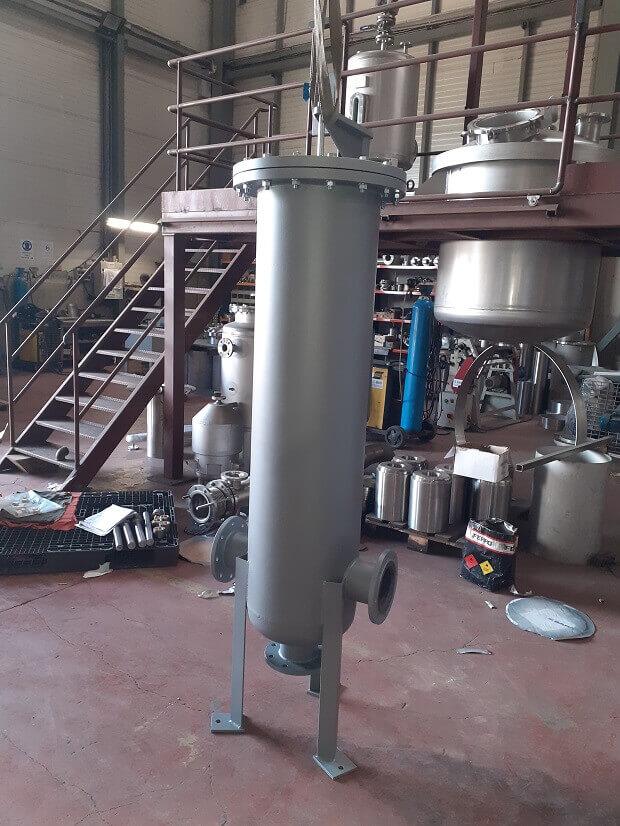
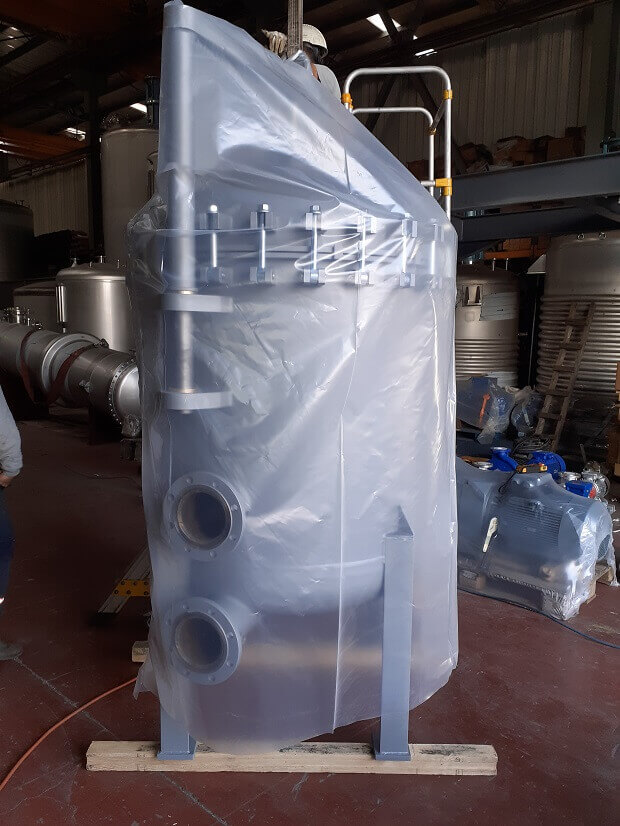
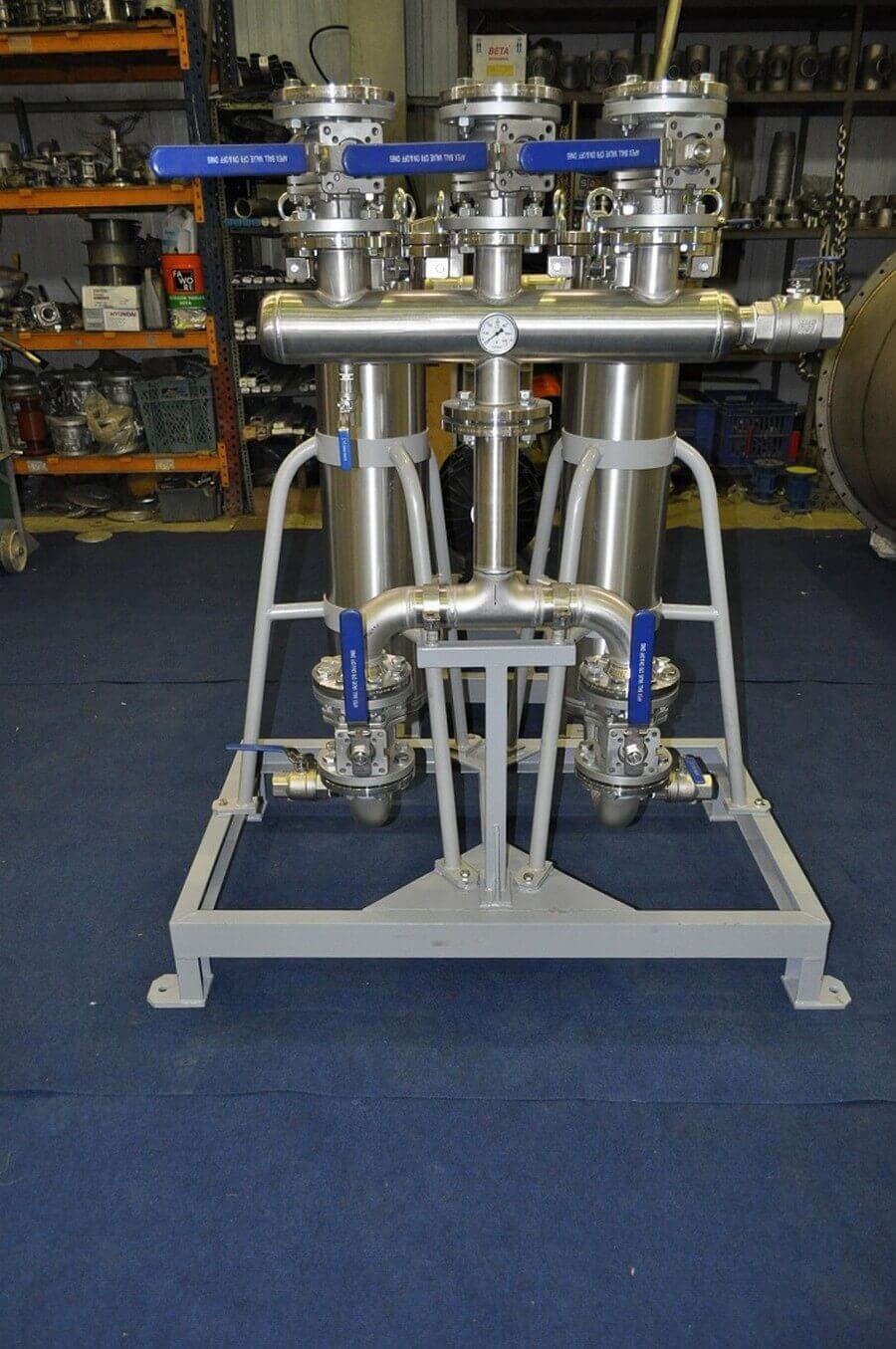
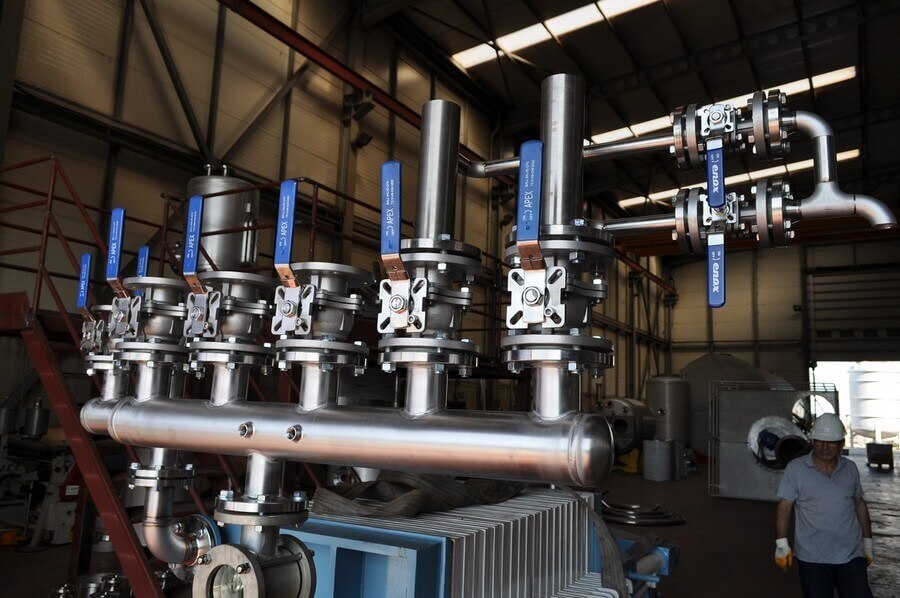
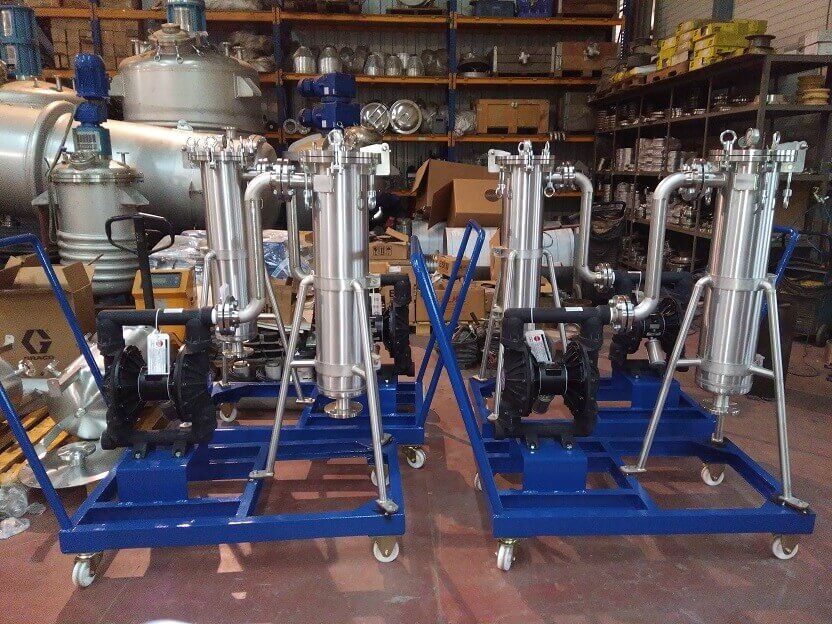
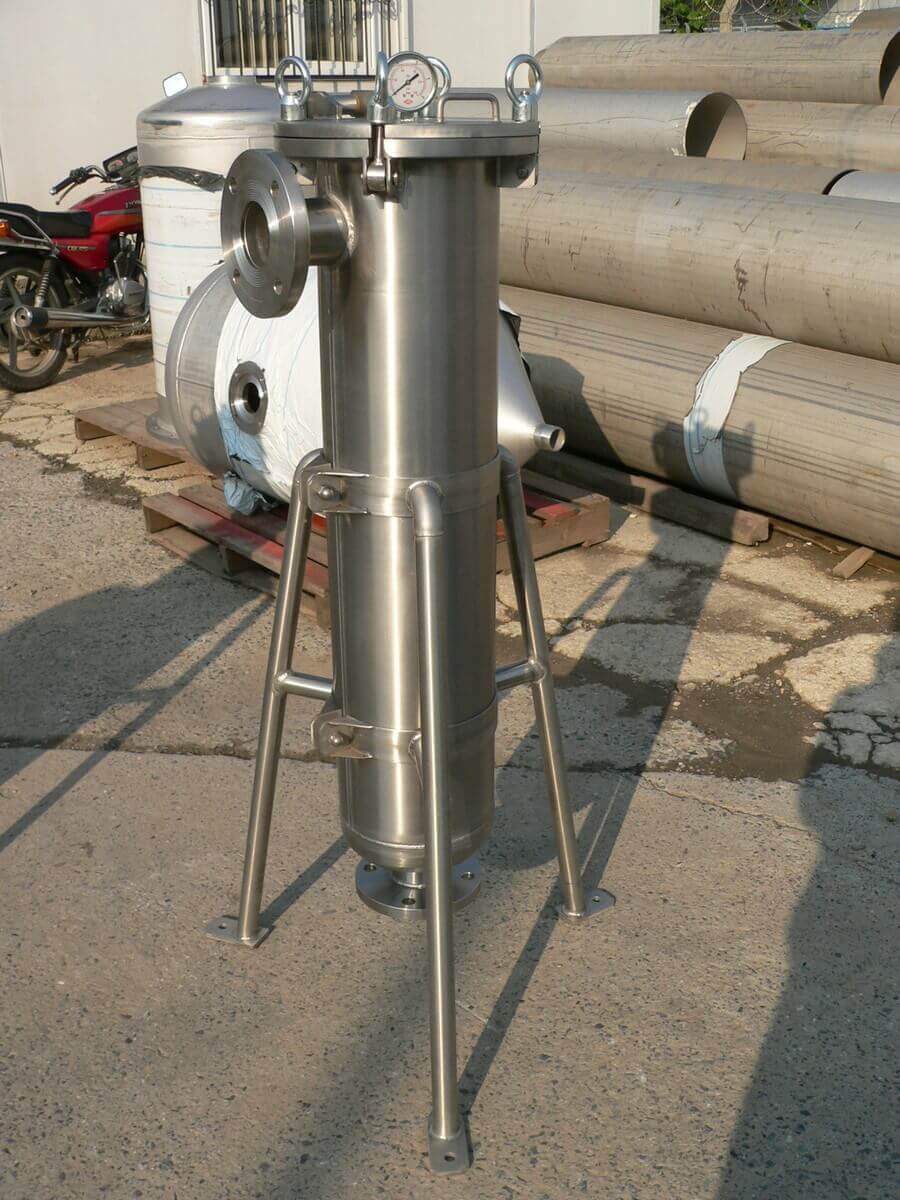
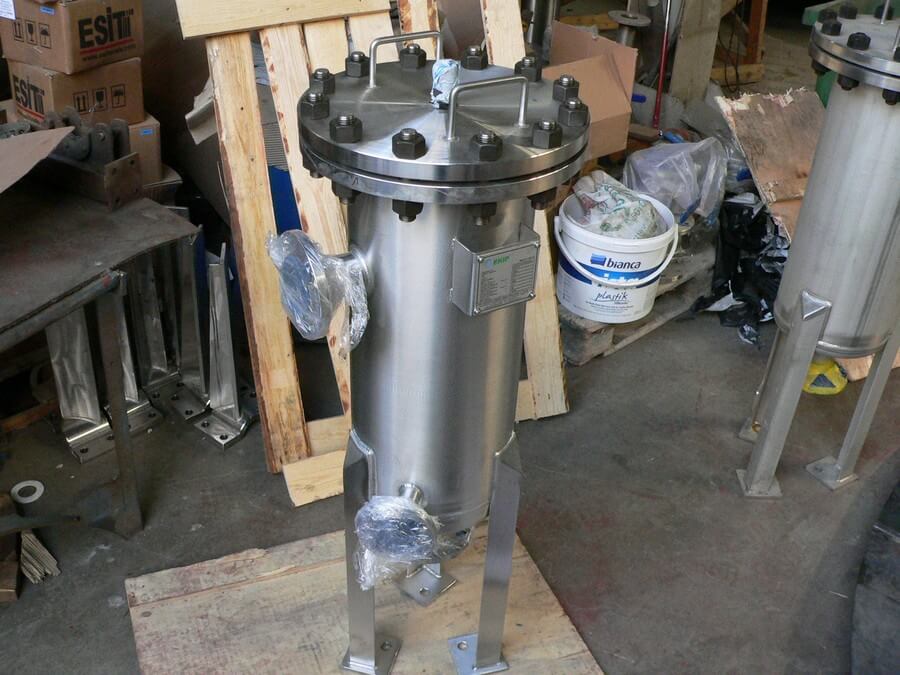
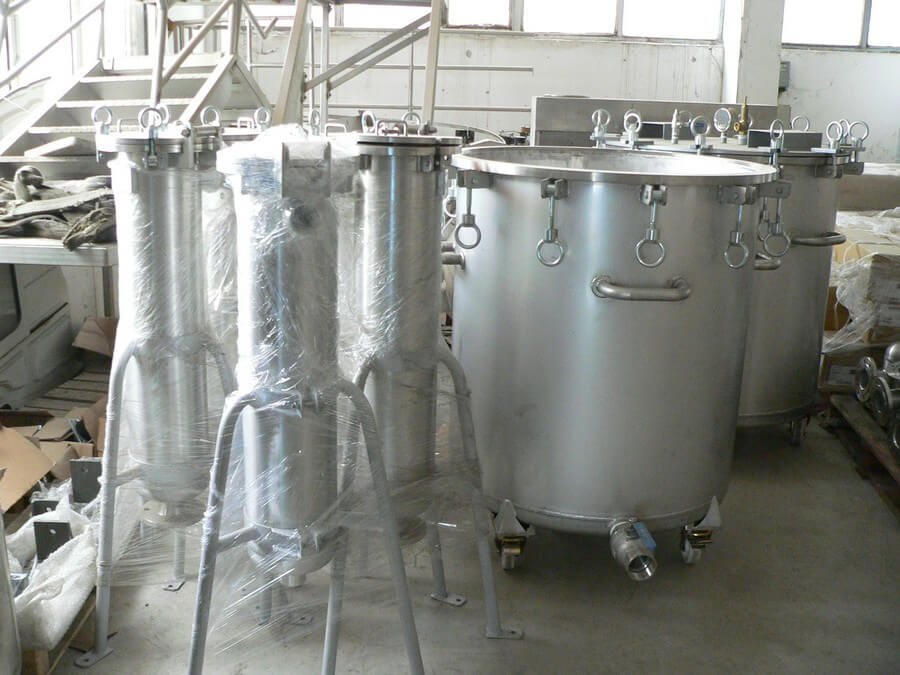
Bag Filters
The filtration measurement, with a capacity ranging from 1 to 1250 microns, presents a very efficient and suitable outcome for the bag filter we offer. Thanks to the advantages of the collector unit, the high-capacity filtration process ensures necessary cleaning and helps the system achieve high performance. In the product samples available within our company, cleaning takes place without any loss of liquid. With materials such as polyester and polypropylene preferred for bag filters, a successful filtration process is achieved.
Not only within the borders of our country but also in the international market, reliable alternative bag filter options are available. Products manufactured with solid and practical materials thus support long-term use, showcasing significant product examples. Bag filter options that fit perfectly into their cavities become part of meticulous design by fitting into their housing with precise measurements. Once this balance is achieved, leakage and similar problems are not encountered. The advantages of production with durable material and precise measurements always provide great convenience to people.
Complete preparation is necessary for the system's operation. With the bag filter installed on time, dust and similar particles can be collected at the correct point. The place where the filter will be installed and the measurement of the planned filter to be passed here are highly compatible. When the filter is installed in place, the slightest leakage does not occur. This ensures that dust particles potentially damaging the system are trapped and retained within the bag filter. For continuity in operating systems, systems need to re-circulate cleanly. Parts and similar elements emerging during operation need to be cleaned systematically. Meticulously designed materials with metric measurements complement each other and enable systematic operation.
With the bag filter, which complements the system, it is possible to collect deposits at specific points. This collection process contributes to the much more efficient operation of the system. The bag filter, used within very robust and complementary systems, provides significant support for clean and healthy operation. The ergonomic bag-shaped filter structure also offers the advantage of functional use. Changes in bag sizes, in accordance with the structure of the systems, are possible. Choosing the correct and necessary one from among the different sizes will produce an important solution here.
The bag filter is a filtration element designed in a bag shape that allows the retention of particles in air or liquid in industrial facilities. It is generally made from fabric, felt, or polypropylene material. Its operating principle is quite simple: the fluid enters the filter bag, unwanted solid particles are retained while passing through the pores on the inner surface, and the cleaned fluid exits. With high filtration capacity, energy consumption is low.
Bag filters are widely used in the food, chemical, paint, pharmaceutical, petrochemical, metal processing, water treatment, and automotive industries. They are especially preferred in processes where liquid filtration is important. They enhance process safety in production lines where particle removal is required and directly contribute to product quality. In air filtration, they play a significant role in meeting environmental standards by minimizing dust emissions.
In bag filter selection, the temperature, chemical composition, viscosity, and particle size of the fluid to be filtered are of great importance. Additionally, filtration precision (micron level), bag material, flow capacity, and system pressure are also critical factors for making the right choice. Incorrect filter selection can both reduce efficiency and cause the filter to clog in a short time.
Bag filters simplify maintenance processes due to their low cost and easy replaceability. They work efficiently even in high-flow systems. Thanks to their compact design, they can be easily integrated into tight spaces. Additionally, the ability to filter down to very low micron levels enhances quality control in processes. They support environmentally friendly production and contribute to energy savings.
