


 English
 Türkçe
 русский
 العربية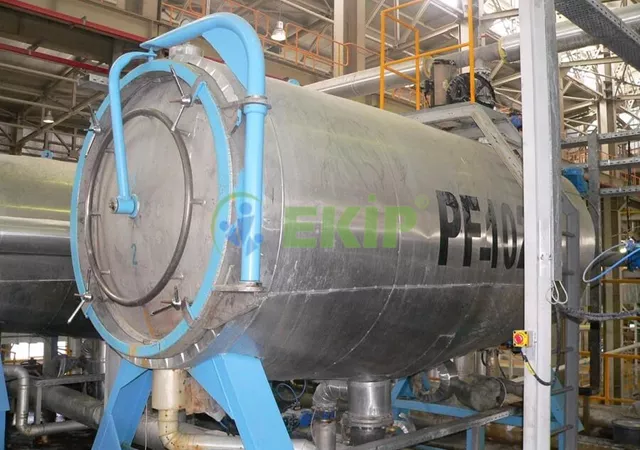
Polishing Filters
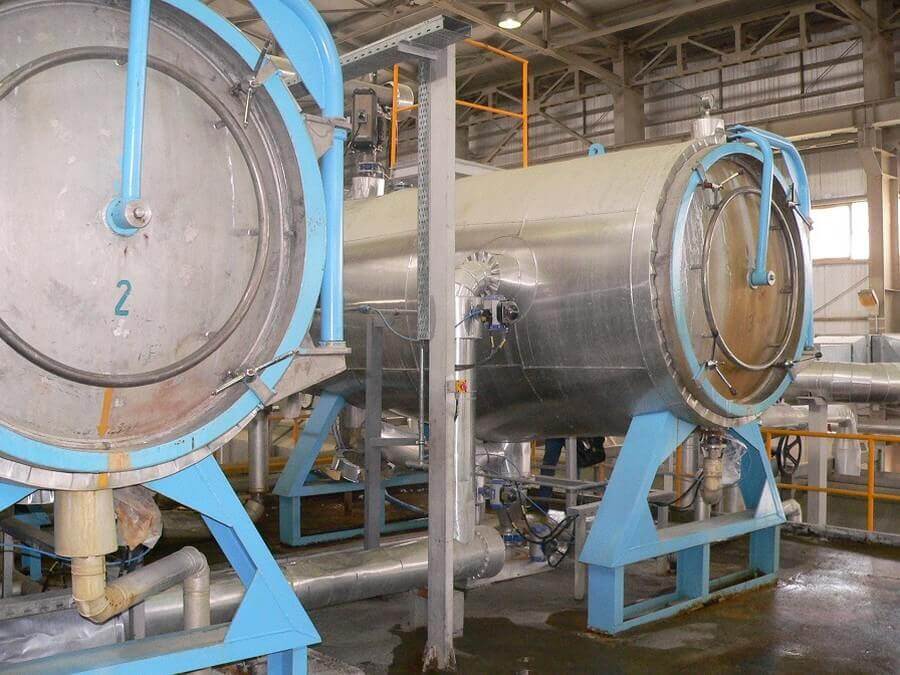
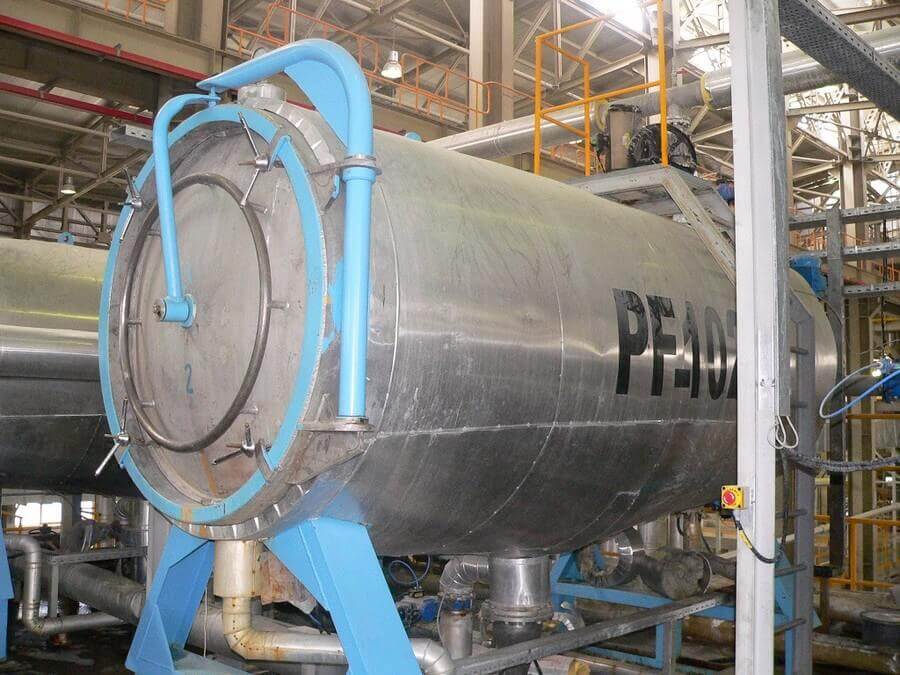
Polishing filters are used at the end of processes to retain particles in the liquid with high volume flow, either partially or fully automatically. The number of filter plates can be increased for higher flow requirements. An application with two filter groups is used to prevent interruptions in system flow during filter changes.
Features of Polishing Filters
The locking mechanism design allows filter plates to be changed quickly and easily.
The top-entry design ensures minimal liquid remains on the plate group and makes plate changes easy.
Specifications
Manufactured from AISI 304 or 316 material for corrosion resistance
Double epoxy-coated carbon steel filter housing
Seal options of Viton, Neoprene, Nitrile, EPDM, and food-grade Silicone according to product and temperature
Horizontal installation
Easy to clean
Polishing filters are special filtration systems used to separate unwanted particles and contaminants during polishing and surface treatment processes. These filters play a critical role in obtaining quality and scratch-free results, especially when polishing materials with sensitive surfaces. They ensure the cleanliness of the liquids used during polishing processes, preventing unwanted marks or deterioration on the surface.
The use of polishing filters is quite extensive. They are actively used in many industries, from the automotive industry to the metalworking sector, from electronic parts manufacturing to optical glass production. Additionally, in furniture, marble, and jewelry production, the clean surface processing feature provided by these filters offers significant advantages. As a result, product surfaces become clearer, shinier, and flawless.
Dust, metal particles, and other residues that accumulate over time in polishing liquids can cause scratches and dullness on the surface. At this point, polish filters come into play to ensure the fluid remains consistently clean. Clean polishing liquid not only enhances surface quality but also extends equipment life. This directly affects both production efficiency and product quality.
When selecting a filter, the type of polishing liquid used, particle size, process intensity, and frequency of filter changes should be taken into consideration. Additionally, it is important that it is compatible with the system, easy to replace, and possesses long-lasting filter media. Proper filter selection reduces workmanship errors and ensures stability in the process.
Polish filtration filters, in surface processing, provide repeatable quality that makes it possible to achieve homogeneous results at every production step. They prevent micro-scratches, microscopic debris, or scratches on the surface, delivering superior results both aesthetically and functionally. As a result, the final products are both brighter and more durable.
