


 English
 Türkçe
 русский
 العربية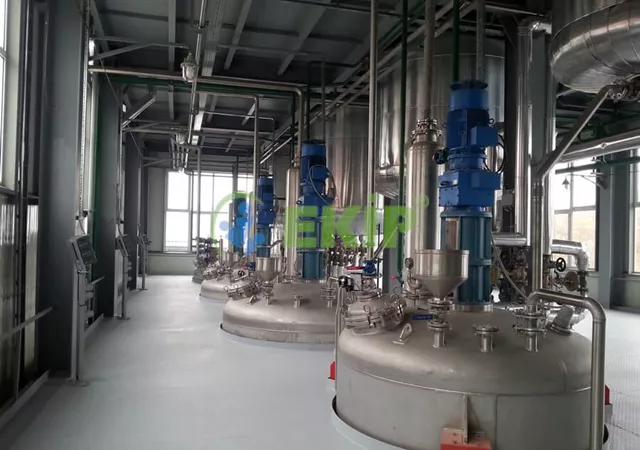
What is PVC?
PVC Composite Preparation Facility, commonly known as 'vinyl,' is the abbreviated form of (Polyvinyl Chloride) and is a type of polymer produced from petroleum (or natural gas) and salt in petrochemical facilities, with the formula -(CH2-CH2). This polymer is mixed with various additives and then shaped at high temperatures to transform it into plastic for use. PVC is one of the rare thermoplastics that contains chlorine atoms in its polymer chain. Due to its chlorine content, PVC has a high ignition temperature and self-extinguishes immediately when ignited. PVC Composite Preparation Facility thermally degrades easily at very high temperatures, releasing hydrochloric acid, a corrosive gas. Compared to other polymers, PVC can be mixed with a more extensive range and quantity of additives. As a result, the cost of PVC plastic material is relatively low, providing general and multipurpose use. After Polyethylene, PVC is the most widely used type of polymer.
Where is PVC Used?
PVC was first synthesized in the 1920s, but its use began in the 1930s and increased, especially during World War II. In the last 20-30 years, it has become one of the most widely used types of polymers. PVC is used in almost every area of our lives, from the construction industry (window profiles, doors, shutters, irrigation and wastewater pipes, wall-floor, and roof covering materials) to the packaging industry (bi-oriented thin shrink film, cork inside caps, for making bottles and bags), various applications in medicine (blood bags, serum tubes, surgical gloves, and heart catheters) to electrical-electronic material production (as high-voltage insulators, optical fiber sheath covers), uses in the automotive field (as window seal/wiper systems, upholstery, mats), and production of various other consumer goods (toys, various sports equipment, oilcloth, faux leather and shoes, and even for making credit cards).
Fire and Heat Resistance of PVC
The chlorine in PVC's structure gives this polymer natural resistance to fire. It has a high ignition temperature and can self-extinguish when ignited. This feature makes it a safe choice for cable insulation and interior building materials.
Additives in PVC Composite Preparation Facilities
PVC can be easily processed with additives. Through the use of various additives such as stabilizers, plasticizers, fillers, colorants, and lubricants, the mechanical properties, flexibility, and aesthetics can be adjusted to desired levels. Thanks to these additives, a wide range of industrial and commercial products can be produced.
Economic and Industrial Importance of PVC
Due to its low production cost, processability, long-lasting use, and versatile structure, PVC has become one of the most preferred types of plastic worldwide. It maintains its place as an indispensable material in infrastructure projects, and sectors requiring rapid production, especially in developing countries.
