


 English
 Türkçe
 русский
 العربية
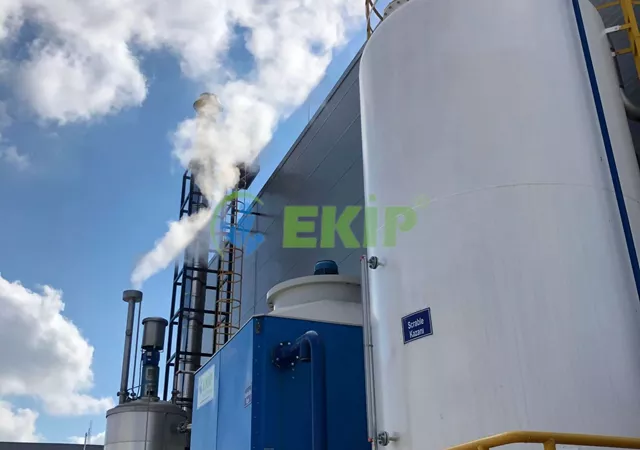
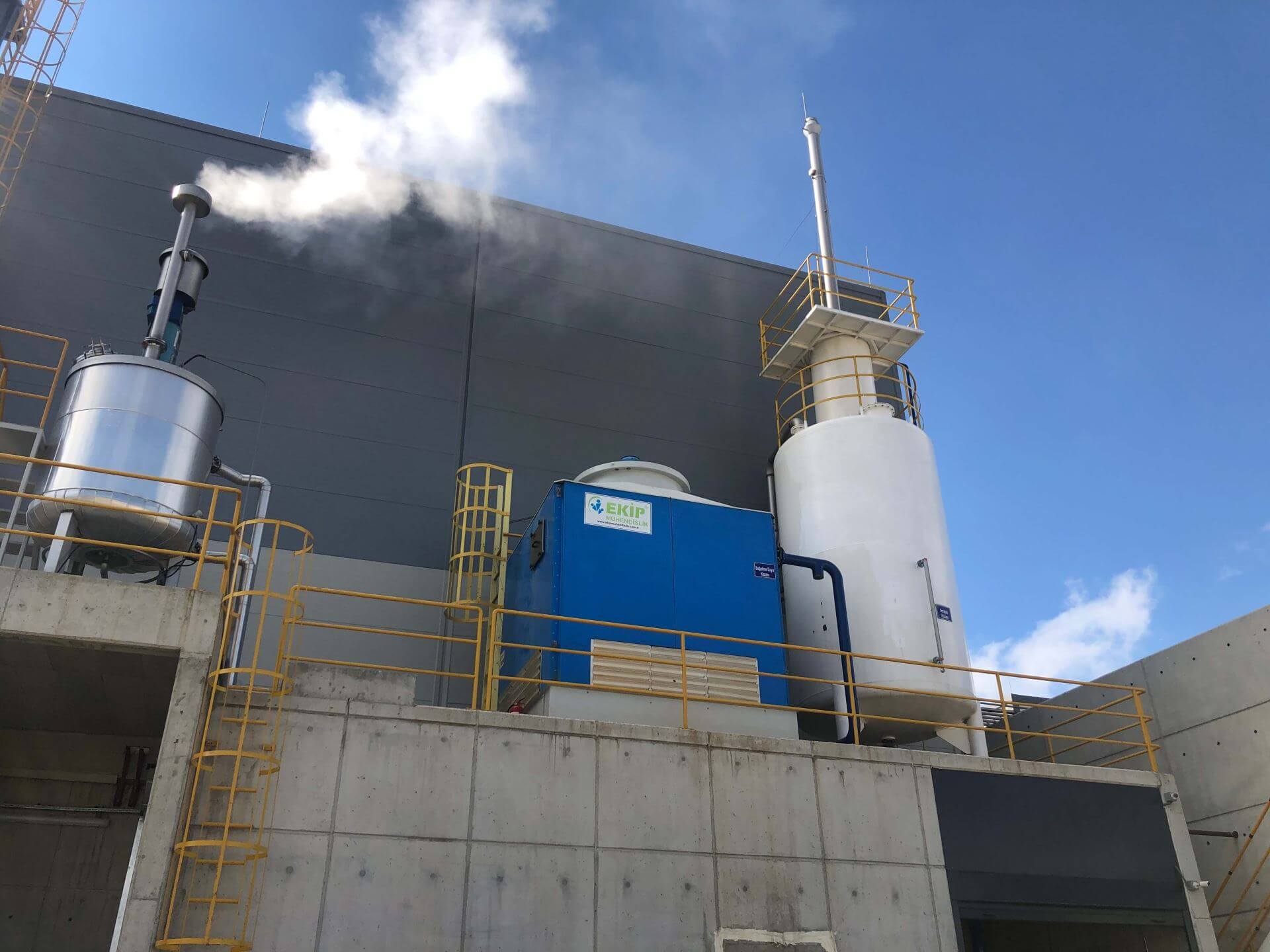
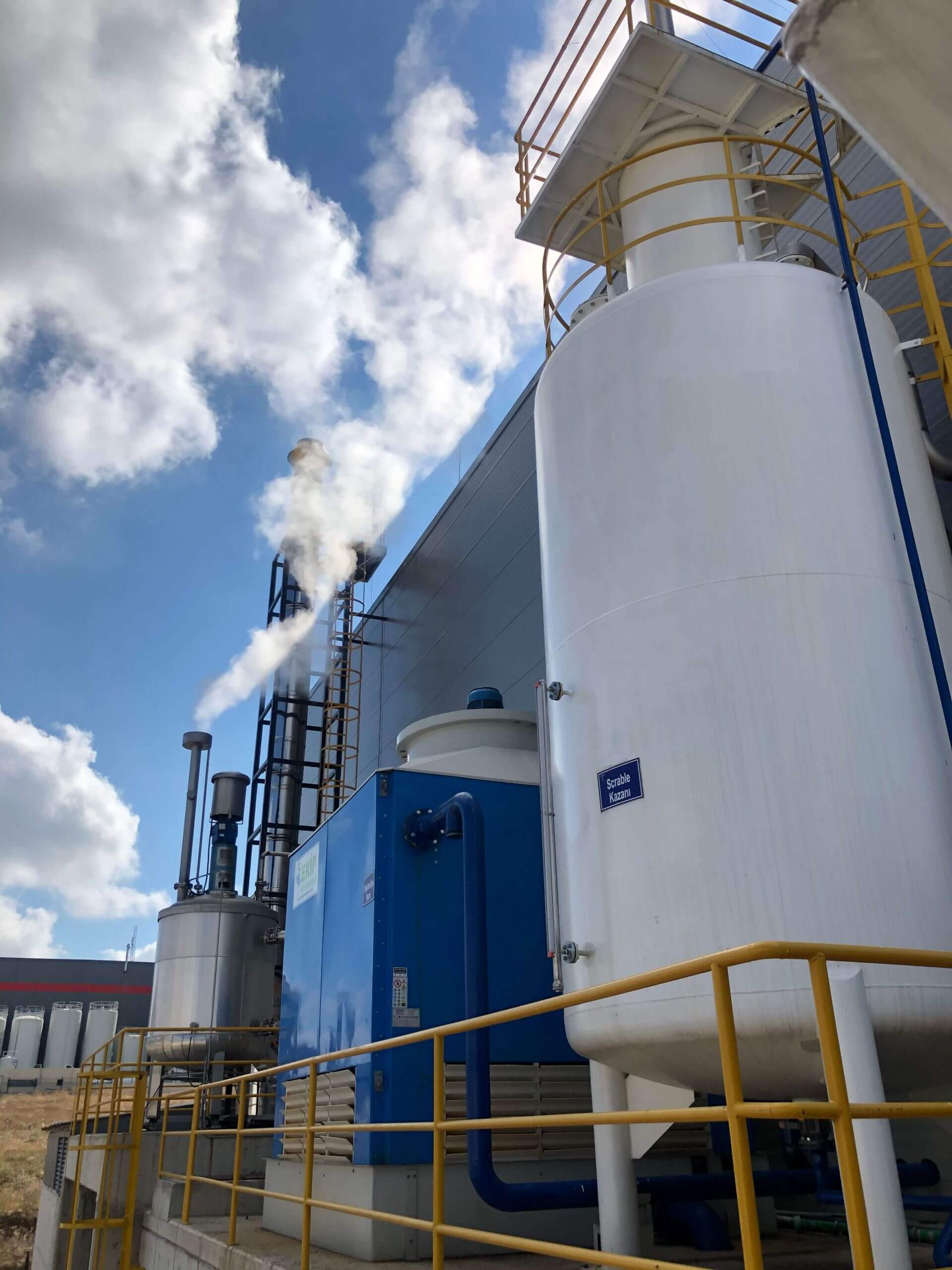
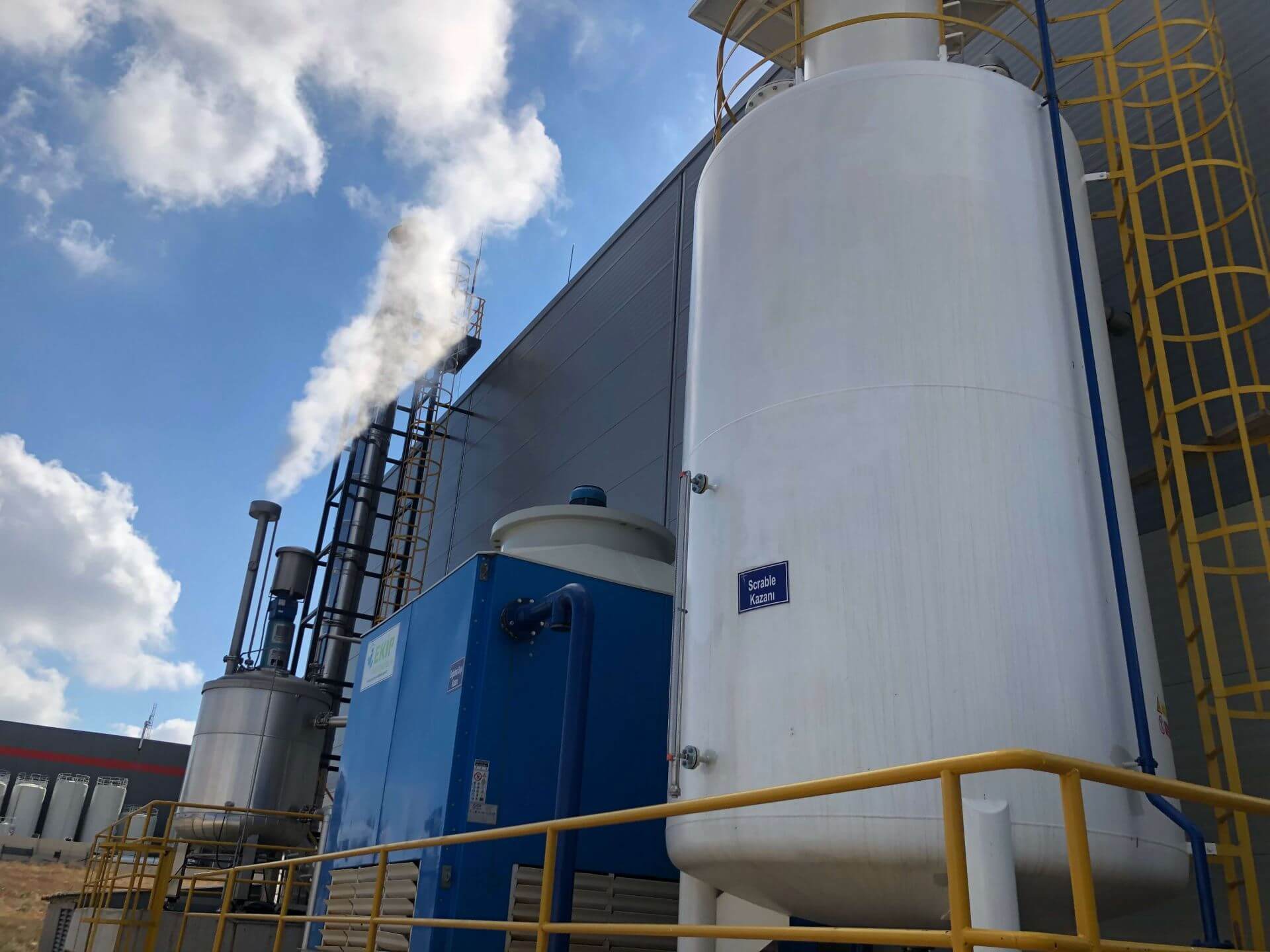
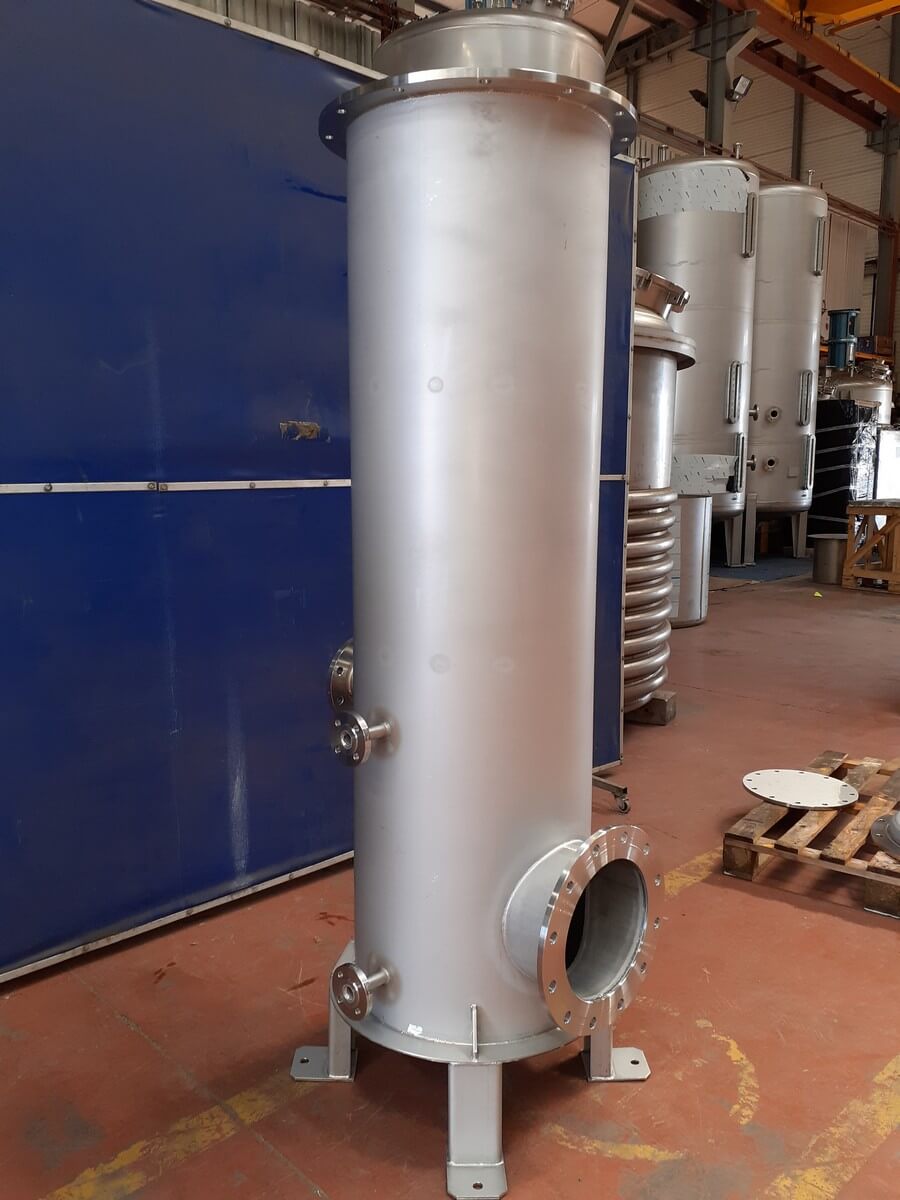
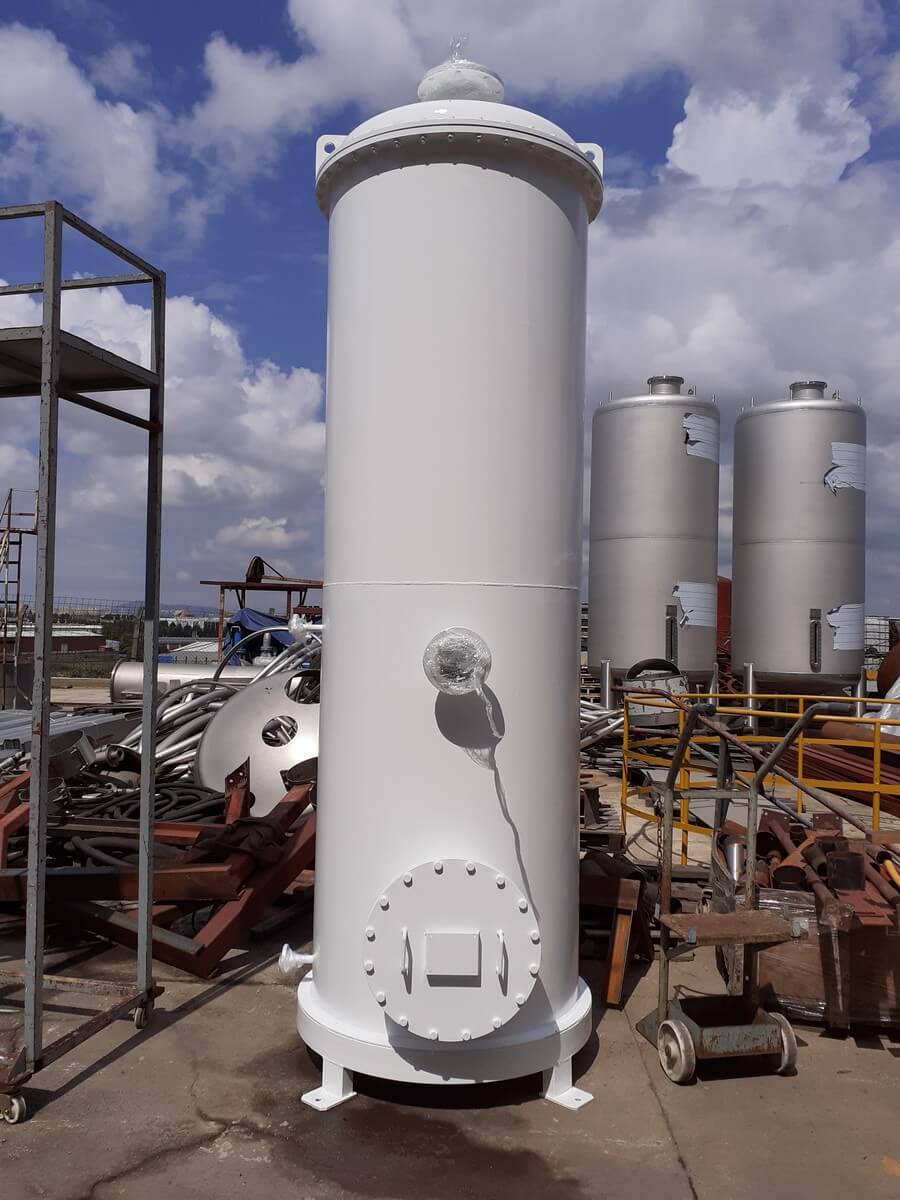
Scrubber Units
Scrubbers are systems that clean harmful gases, dust, or particles from processes before releasing them into the atmosphere. The system consists of:
Exhaust fan
Spray tunnel
Washing collection pool
High-pressure pump
Chemical dosing and control units
Process gases can include water-soluble toxic gases or acids (such as HCl), ammonia, ethylene glycol, formaldehyde, sulfur compounds, or CO2. These are effectively removed from the air using a scrubber. A suitable neutralization agent, typically water, is sprayed into the air flow in the spray tunnel. This way, gases and particles in the air are removed through chemical reaction or absorption with water. The evaporated water is replenished with fresh water and chemicals. The accumulated pollution and dust in the washing tank are periodically drained from the collection pool.
Features:
High cleaning efficiency; 70% for fine dust, 80% for coarse pollutants
Corrosion-resistant material: AISI 304, 316, 316L
Easy maintenance and installation
Dosing equipment, installation, and automatic pH control for chemical addition
Stainless high-pressure pump
Quality manufacturing
What is a Scrubber Unit?
Scrubber units are systems used primarily in industrial facilities to clean harmful gases, particles, and chemicals that mix into the air. In short, they filter the air released from chimneys to minimize environmental harm. These devices ensure compliance with legal emission limits and create a production environment sensitive to environmental and employee health.
Sometimes, pollutants that are invisible yet cause significant effects are effectively captured by scrubber systems. In other words, these units function like the factory's "breathing filter." Scrubbers have become indispensable today in terms of both sustainability and corporate responsibility.
How Do Scrubber Systems Work?
Scrubbers capture harmful components by bringing a flow of dirty gas into contact with a liquid or sometimes a solid substance. The most common type of system uses water and is known as a wet scrubber. Sulfur dioxide, dust, vapor, and similar particles in the gas are absorbed or washed with a special liquid.
During this process, the pollutants in the air stream hit the liquid surface, are retained on the surface, and clean air exits the system. So, we can say the system essentially washes the dirty air. It is a highly effective and energy-efficient method.
Which Sectors Need Scrubber Units?
Scrubber systems are used primarily in the chemical, petrochemical, energy, cement, food, pharmaceutical, and metal processing industries. In fact, any large production facility with a chimney emitting smoke eventually requires scrubbers. Without these systems, harmful gases could directly enter the atmosphere.
Scrubbers are vital in sectors dealing with hazardous gases like sulfur, nitrogen oxides, and ammonia. They are indispensable for employee health, environmental protection, and compliance with regulations.
What are the Benefits of a Scrubber Unit?
At first glance, scrubber systems might seem like only a legal obligation, but they provide many benefits to businesses. Firstly, their environmental impact is significantly reduced, creating a strong advantage in terms of brand reputation.
Additionally, by eliminating harmful components in the air, the working environment becomes safer. Workplace accidents, health issues, and productivity losses decrease. Moreover, some types of scrubbers can operate with recycling, meaning the captured substances can be reused.
What to Consider When Choosing a Scrubber Unit?
Each production facility has different gas compositions, flow rates, and cleaning needs. Therefore, scrubber unit selection should not be based on a "one-size-fits-all" approach. Factors such as the chemicals used, exit gas temperature, particle size, and environmental humidity should be evaluated.
Additionally, ease of maintenance, spare part availability, and energy consumption play important roles in the selection process. Long-term efficiency is greatly enhanced by using quality materials and obtaining support from an experienced supplier.
